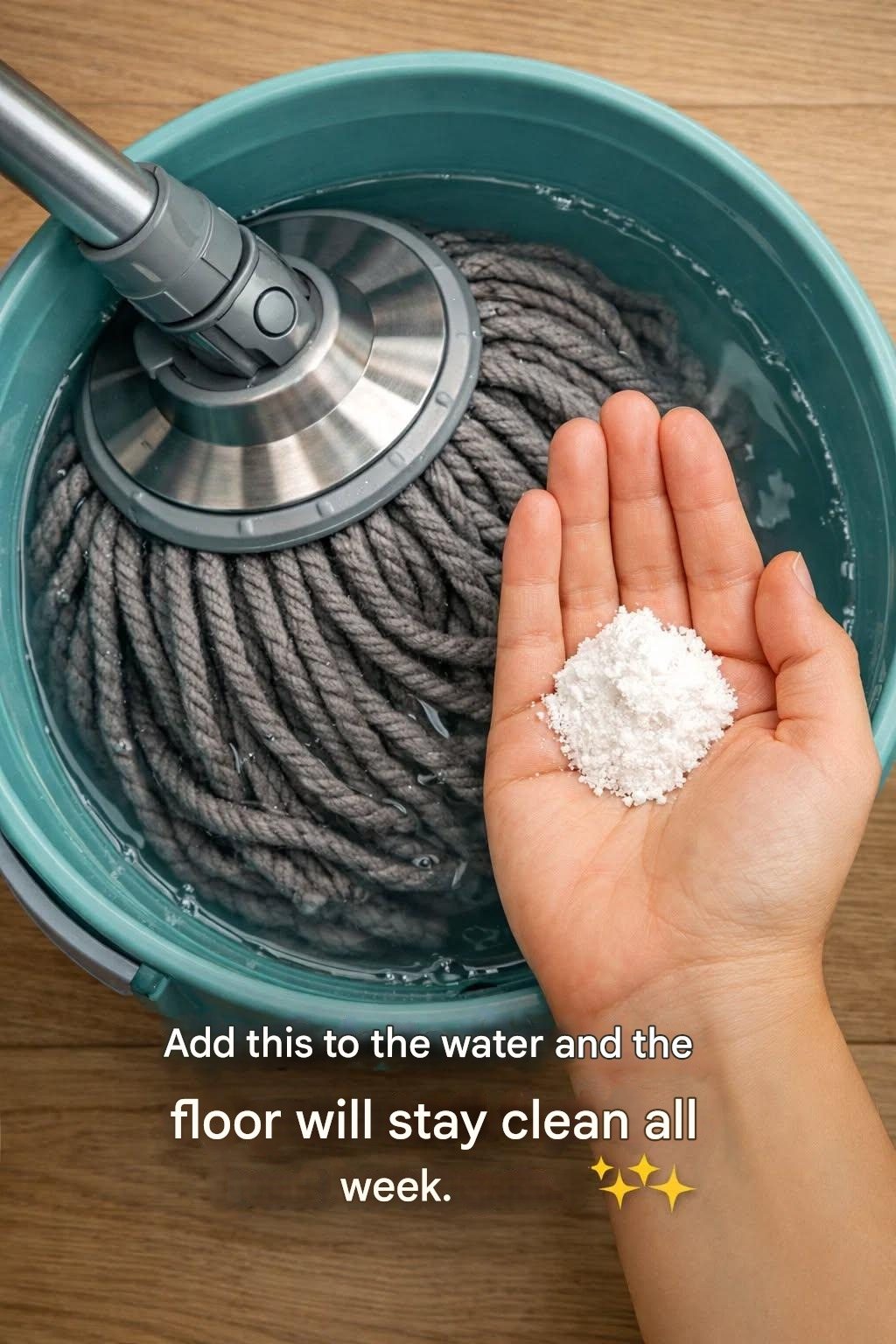
Keeping floors clean can feel like a never-ending task. No matter how often you mop, dust and dirt seem to return within hours. But what if one simple ingredient could help your floors stay cleaner for much longer? The secret is white vinegar — a powerful, natural cleaner that has been trusted in homes for generations.
🚀 Make Money Online – Up to $50 Per Day!
Unlike many commercial floor cleaners filled with chemicals and artificial fragrances, vinegar is affordable, effective, and eco-friendly. When used correctly, it can cut through grease, remove odors, and even help prevent dust from sticking to your floors.
Let’s explore why vinegar works so well and how to use it properly.
Why White Vinegar Works So Well
White vinegar contains acetic acid, which gives it natural antibacterial and grease-cutting properties. It breaks down dirt, grime, and mineral deposits without leaving sticky residue behind. That residue is often the reason floors attract more dirt quickly.
Because vinegar evaporates quickly and leaves no film, your floors stay smoother and cleaner longer.
It’s also:
-
Safe for most sealed hard floors
-
Affordable and easy to find
-
Non-toxic compared to harsh chemical cleaners
-
Great at neutralizing odors
The Simple Weekly Floor Cleaning Recipe
Here’s the easy “bucket trick” that helps floors stay clean all week.
Ingredients:
-
1 bucket of warm water (about 4–5 liters)
-
1 cup white vinegar
-
Optional: 1 tablespoon dish soap (for extra greasy floors)
-
Optional: A few drops of essential oil (like lemon or lavender) for scent
Instructions:
-
Fill your bucket with warm water.
-
Add 1 cup of white vinegar.
-
If your floor is very dirty or greasy, add a small squeeze of dish soap.
-
Stir gently to combine.
-
Dip your mop, wring it out well (avoid soaking the floor).
-
Mop as usual.
-
Allow the floor to air dry — no rinsing needed.
That’s it!
Why Floors Stay Cleaner Longer
When you use vinegar:
✔ It removes sticky buildup left behind by other cleaners.
✔ It breaks down grease that attracts dust.
✔ It neutralizes odors instead of masking them.
✔ It reduces streaks on tile and laminate.
Over time, you’ll notice less dullness and fewer footprints.
Best Floor Types for Vinegar Cleaning
This method works wonderfully on:
-
Ceramic tile
-
Porcelain tile
-
Vinyl flooring
-
Sealed laminate
-
Sealed hardwood (occasionally, not daily)
Floors to Avoid
Do NOT use vinegar on:
-
Natural stone (like marble or granite)
-
Unsealed wood
-
Waxed floors
The acidity can damage these surfaces.
Extra Tips for Long-Lasting Clean Floors
To make your cleaning even more effective:
1. Sweep or Vacuum First
Always remove loose dust and debris before mopping.
2. Wring Out Your Mop Well
Too much water can leave streaks and damage certain floors.
3. Change Mop Water If Very Dirty
Dirty water just spreads grime around.
4. Clean Your Mop After Use
A dirty mop head spreads bacteria the next time you clean.
Bonus: Add This for Extra Shine
If you want even more shine, you can add:
-
1 tablespoon baking soda (for tough odors)
-
Or a splash of rubbing alcohol (helps floors dry faster)
But keep it simple for regular weekly cleaning.
Why Many People Are Switching to Vinegar
More homeowners are choosing natural cleaning solutions because they:
-
Reduce exposure to strong chemicals
-
Save money
-
Are environmentally friendly
-
Work just as well (or better) than store-bought products
And the best part? Vinegar costs only a fraction of commercial cleaners.
How Often Should You Mop?
For most homes:
-
High-traffic areas: 1–2 times per week
-
Low-traffic areas: Once per week
Using the vinegar method consistently can help maintain a fresh, clean surface without constant deep scrubbing.
Final Thoughts
Sometimes the simplest solutions are the most powerful. By adding one cup of white vinegar to your mop bucket, you can remove buildup, prevent sticky residue, and keep your floors cleaner for longer.
