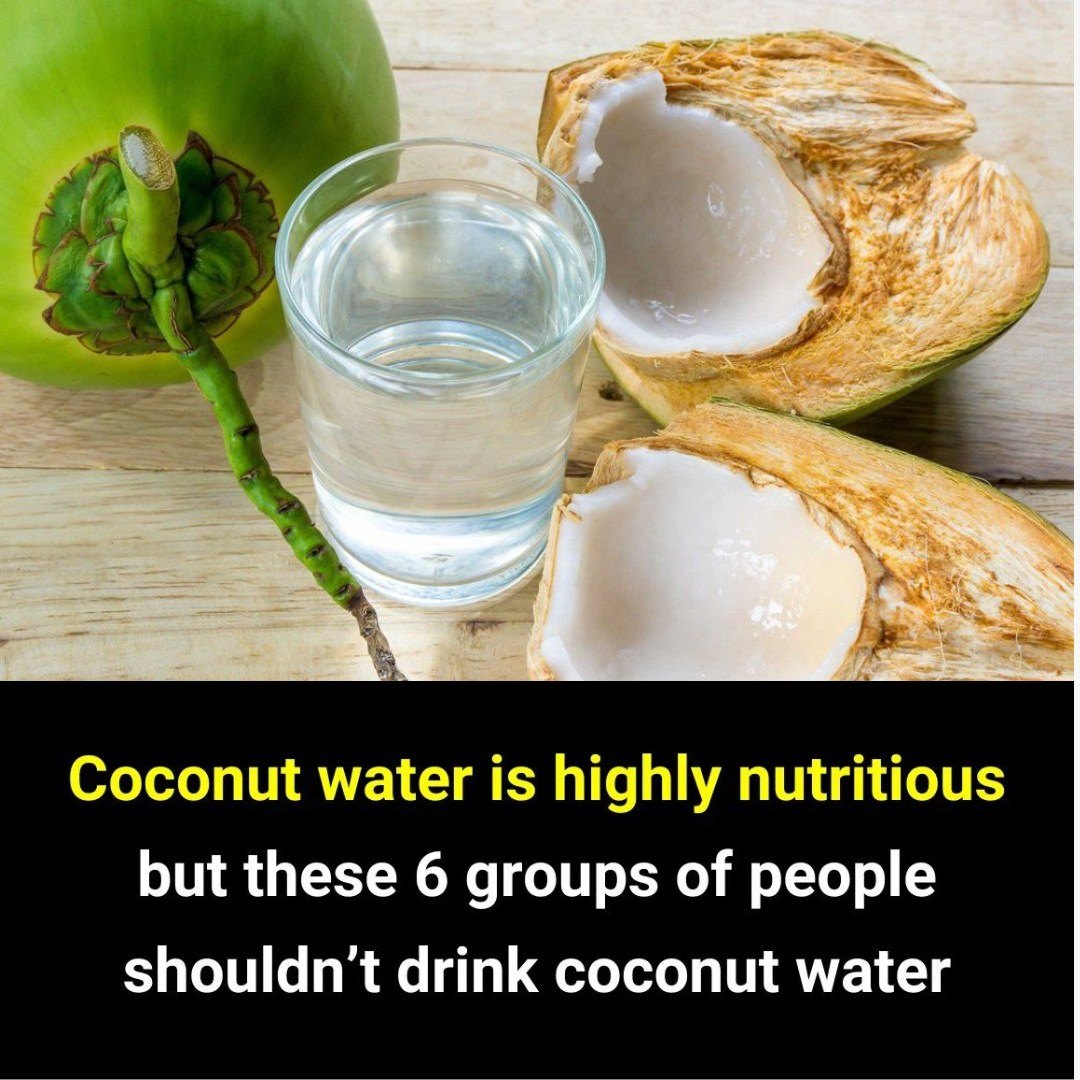
Coconut water has been called a “miracle drink” for good reason. Naturally refreshing and packed with nutrients, it’s more than just a thirst-quencher. But like anything, it’s not suitable for everyone. Here’s a deep dive into the benefits, potential risks, and a simple recipe to enjoy it at home.
🚀 Make Money Online – Up to $50 Per Day!
What Is Coconut Water?
Coconut water is the clear liquid found inside young, green coconuts. Unlike coconut milk, which is creamy and derived from the grated meat of mature coconuts, coconut water is low in calories, naturally sweet, and full of electrolytes. Its composition makes it an ideal natural drink for hydration.
Nutritional Profile
A single cup (240 ml) of coconut water contains approximately:
-
Calories: 45
-
Carbohydrates: 9 grams
-
Sugars: 6 grams
-
Fiber: 2 grams
-
Protein: 2 grams
-
Potassium: 600 mg (more than a banana)
-
Sodium: 250 mg
-
Magnesium: 60 mg
-
Calcium: 58 mg
The high potassium content makes it excellent for maintaining healthy blood pressure, while magnesium and calcium support muscle and bone function.
Health Benefits of Coconut Water
-
Hydration Boost
Coconut water is packed with electrolytes like potassium, sodium, and magnesium, making it a natural way to rehydrate after exercise or heat exposure. It’s often considered a healthier alternative to commercial sports drinks because it’s free from artificial additives. -
Supports Heart Health
Regular consumption may help regulate blood pressure due to its high potassium content. Potassium helps counteract sodium’s effect, reducing tension in blood vessels and promoting better cardiovascular function. -
Aids Digestion
Coconut water contains bioactive enzymes like acid phosphatase, catalase, and peroxidase, which may aid digestion and metabolism. Drinking it regularly can help prevent bloating and improve overall gut health. -
Promotes Kidney Health
Its natural diuretic properties help flush out toxins, reducing the risk of kidney stones. Some studies suggest that coconut water can help prevent crystal formation in the urinary tract. -
Low in Calories
Unlike sugary soft drinks or fruit juices, coconut water is low in calories and fats, making it a smart option for those looking to manage weight.
Who Should Avoid Coconut Water
Despite its benefits, coconut water isn’t for everyone. Here’s who should be cautious:
-
People with Kidney Disorders: High potassium levels can be risky for individuals with kidney disease, as their kidneys may struggle to excrete excess potassium.
-
Individuals on Certain Medications: Some heart or blood pressure medications can interact with potassium-rich foods, leading to hyperkalemia (too much potassium in the blood).
-
Diabetics: While natural, coconut water contains sugars that can affect blood sugar levels. Moderation is key.
How to Choose Coconut Water
When buying coconut water, keep these tips in mind:
-
Look for Natural and Unsweetened Options: Avoid added sugars or flavors.
-
Check for Preservatives: Fresh coconut water is best; tetra-packed versions may contain additives.
-
Opt for Young, Green Coconuts: The water in young coconuts is sweeter and richer in nutrients than mature ones.
Refreshing Coconut Water Recipe
Here’s a simple way to enjoy coconut water with a twist:
Ingredients:
-
1 cup fresh coconut water
-
½ teaspoon fresh lime juice
-
A few fresh mint leaves
-
Ice cubes (optional)
-
½ teaspoon honey (optional, for sweetness)
Instructions:
-
Chill the Coconut Water: Pour the coconut water into a jug and refrigerate for 30 minutes.
-
Add Lime and Mint: Squeeze fresh lime juice into the coconut water. Tear mint leaves slightly to release aroma and add them.
-
Optional Sweetener: If you prefer, stir in a small amount of honey.
-
Serve Cold: Pour over ice cubes and enjoy as a refreshing, natural electrolyte drink.
Tips for Maximum Benefits
-
Drink in Moderation: 1–2 cups per day is usually sufficient.
-
Post-Workout Hydration: Use it after light exercise; for intense workouts, pairing with a small snack may help replenish glycogen.
-
Enhance Flavor Naturally: Add fruits like pineapple or berries to enhance taste without processed sugars.
Conclusion
Coconut water truly earns its “miracle drink” title with its hydration, heart, and digestive benefits. However, like all things health-related, it’s not a one-size-fits-all solution. People with kidney issues, certain medications, or diabetes should consume it cautiously.
By choosing fresh, natural coconut water and enjoying it with a hint of lime and mint, you can savor a delicious and healthy drink that supports your well-being. Remember, moderation and awareness of your health status are key to truly benefiting from this natural elixir.
