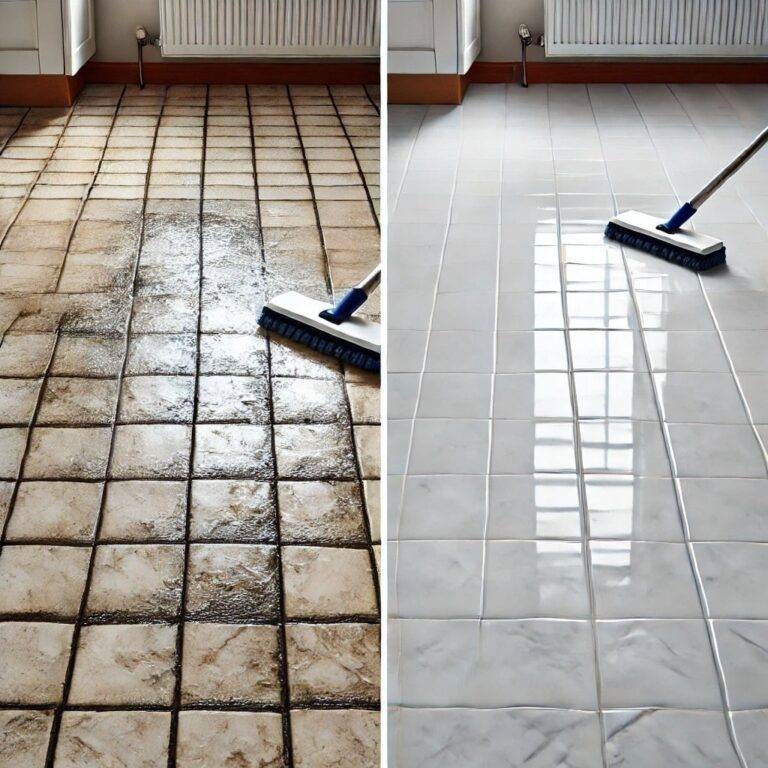
Clean, shiny floors can transform the entire atmosphere of your home. They reflect light, make rooms feel fresher, and create a welcoming environment for family and guests. Many commercial floor cleaners promise sparkling results, but they often contain harsh chemicals, artificial fragrances, and unnecessary additives. Fortunately, you don’t need expensive products to achieve beautifully clean floors. With just three simple ingredients—water, white vinegar, and dish soap—you can create an effective, natural cleaning solution that removes dirt, grease, and bacteria while leaving your floors fresh and spotless.
🚀 Make Money Online – Up to $50 Per Day!
This simple homemade floor cleaner is affordable, safe, and suitable for most floor types. It’s easy to prepare, gentle on surfaces, and powerful enough to tackle everyday messes.
Why This 3-Ingredient Cleaner Works
Each ingredient plays an important role in cleaning and restoring your floors:
Water acts as the base of the solution. It helps dilute the other ingredients and allows the cleaner to spread evenly across the floor surface.
White vinegar is a natural disinfectant and deodorizer. Its mild acidity helps break down grease, grime, and mineral buildup while eliminating odors. Vinegar also leaves floors streak-free and shiny.
Dish soap helps loosen stubborn dirt and grease. Even a small amount can lift debris from the floor, making it easier to wipe away.
Together, these three ingredients create a balanced cleaning solution that is effective yet gentle.
Ingredients
-
4 liters (1 gallon) warm water
-
1 cup white vinegar
-
1 teaspoon liquid dish soap
That’s all you need—just three simple, affordable ingredients commonly found in most homes.
Equipment Needed
-
Mop or microfiber mop
-
Bucket
-
Measuring cup and spoon
-
Optional: spray bottle for spot cleaning
Step-by-Step Instructions
Step 1: Prepare the Cleaning Solution
Fill a bucket with 4 liters (1 gallon) of warm water. Warm water works better than cold water because it helps dissolve grease and activate the cleaning power of the vinegar and dish soap.
Add 1 cup of white vinegar to the water. Stir gently.
Next, add 1 teaspoon of dish soap. Be careful not to add too much, as excess soap can leave residue on the floor.
Mix the solution gently until combined.
Step 2: Remove Loose Dirt First
Before mopping, sweep or vacuum the floor to remove dust, crumbs, and debris. This prevents dirt from spreading and ensures better cleaning results.
This step is especially important for tile, hardwood, and laminate floors.
Step 3: Mop the Floor
Dip your mop into the cleaning solution and wring out excess liquid. The mop should be damp, not soaking wet.
Start mopping from one corner of the room and work your way toward the exit. Use gentle, even strokes.
Pay extra attention to high-traffic areas such as hallways, kitchens, and entrances.
Step 4: Allow the Floor to Air Dry
One of the best features of this solution is that it dries quickly and leaves minimal residue.
Allow the floor to air dry naturally. There is no need to rinse unless you used too much soap.
As it dries, you’ll notice a clean shine and fresh smell.
Benefits of This Homemade Floor Cleaner
1. Cost-Effective
This solution costs much less than commercial cleaners. Vinegar and dish soap are inexpensive and last a long time.
2. Chemical-Free
Unlike many store-bought cleaners, this solution contains no harsh chemicals, making it safer for children and pets.
3. Removes Odors
Vinegar neutralizes unpleasant smells, leaving your home smelling fresh and clean.
4. Leaves Floors Shiny
This mixture cleans without leaving streaks or dull residue.
5. Multi-Surface Use
This cleaner works well on many floor types, including:
-
Tile
-
Laminate
-
Vinyl
-
Sealed hardwood
-
Linoleum
Spot Cleaning Method
For sticky spots or stains, you can pour the same mixture into a spray bottle.
Spray directly on the stain and wipe with a cloth or mop.
This method works especially well for kitchen spills and footprints.
Important Tips for Best Results
-
Always use warm water, not hot water, to protect delicate floor finishes.
-
Do not use too much dish soap, as it can leave a slippery residue.
-
Change the cleaning solution if it becomes dirty.
-
Use a microfiber mop for better dirt removal.
-
Clean floors regularly to prevent buildup.
Safety Note for Hardwood Floors
This cleaner is safe for sealed hardwood floors, but avoid excessive moisture.
Always wring the mop thoroughly and never leave standing water on wood floors.
If unsure, test the solution on a small hidden area first.
Optional Enhancements
Although the basic recipe contains only three ingredients, you can enhance the scent naturally if desired.
For example, adding a few drops of lemon juice can provide a fresh smell and extra grease-cutting power. However, this step is optional.
How Often Should You Clean Your Floors?
For best results:
-
High-traffic areas: 2–3 times per week
-
Kitchens: 2–3 times per week
-
Bedrooms: once per week
-
Whole house: once per week
Regular cleaning prevents buildup and keeps floors looking new.
Why Homemade Cleaners Are a Smart Choice
Homemade cleaning solutions are becoming increasingly popular because they are safer, cheaper, and environmentally friendly.
They reduce exposure to harsh chemicals and minimize waste from plastic cleaning product bottles.
This simple solution proves that effective cleaning does not require complicated or expensive products.
Final Thoughts
Clean floors can make your home feel brighter, healthier, and more comfortable. With just water, white vinegar, and dish soap, you can create a powerful cleaning solution that removes dirt, eliminates odors, and restores shine.
