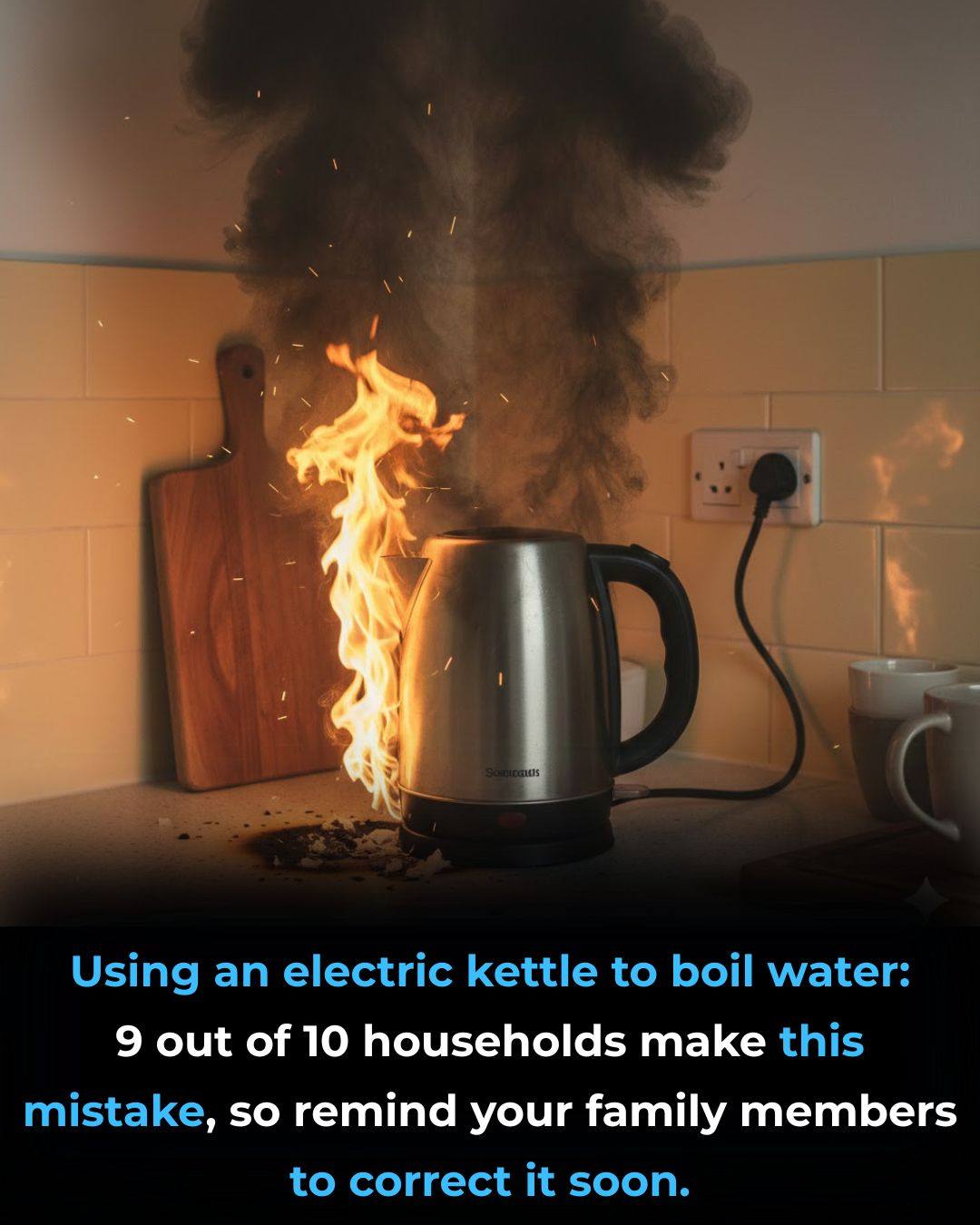
Electric kettles are one of the most convenient appliances in modern kitchens. Whether you are making tea, coffee, instant noodles, or preparing hot water for cooking, an electric kettle saves time and energy. However, many households unknowingly use their electric kettles incorrectly. This common mistake not only shortens the life of the appliance but can also affect water quality, safety, and efficiency. The good news is that this mistake is easy to fix once you understand it.
🚀 Make Money Online – Up to $50 Per Day!
The most frequent mistake people make is failing to clean and descale the electric kettle regularly. Over time, minerals from water—especially calcium and magnesium—build up inside the kettle. This buildup is called limescale. Even if your water looks clean, minerals are naturally present, and repeated boiling causes them to stick to the heating element and interior surfaces.
Why This Mistake Is So Common
Many people assume that boiling water naturally cleans the kettle. After all, boiling kills bacteria, so the kettle must be clean, right? Unfortunately, boiling does not remove mineral deposits. In fact, boiling accelerates limescale formation because heat causes minerals to separate from water and attach to surfaces.
This buildup often appears as a white, chalky layer inside the kettle. At first, it may seem harmless, but over time, it creates several problems.
Problems Caused by Limescale Buildup
1. Slower Boiling Time
Limescale acts as an insulating barrier between the heating element and the water. This means the kettle must work harder and longer to heat the water, wasting electricity and time.
2. Higher Energy Consumption
Because the heating element becomes less efficient, the kettle uses more electricity. This can increase your household energy costs without you realizing it.
3. Shorter Appliance Lifespan
Excessive mineral buildup puts extra strain on the heating element. Over time, this can cause overheating and permanent damage, leading to early failure of the kettle.
4. Poor Water Taste
Limescale can affect the taste of water, making tea and coffee taste flat or slightly bitter.
5. Safety Risks
Heavy buildup can interfere with the kettle’s automatic shut-off function, which may create safety concerns.
Another Common Mistake: Overfilling the Kettle
Many people fill the kettle beyond the maximum level line. This can cause boiling water to splash out, creating a burn hazard and potentially damaging the kettle’s internal components. Always respect the minimum and maximum level markings.
Also Avoid Leaving Water Sitting for Too Long
Leaving water in the kettle for many hours or days allows minerals to settle and stick to surfaces more easily. It can also affect freshness. Always empty unused water and refill with fresh water when needed.
The Simple Cleaning Solution Everyone Should Know
Fortunately, cleaning an electric kettle is quick and inexpensive. You only need two common household ingredients: white vinegar and water.
Easy Electric Kettle Cleaning Method
Ingredients:
-
1 cup white vinegar
-
2 cups clean water
Instructions:
-
Pour the vinegar and water into the kettle.
-
Turn on the kettle and allow the mixture to boil.
-
Once it boils, turn off the kettle and let the solution sit inside for 15–20 minutes.
-
Pour out the solution carefully.
-
Rinse the kettle thoroughly with clean water 2–3 times.
-
Boil fresh water once and discard it to remove any remaining vinegar taste.
Your kettle will now look cleaner and perform more efficiently.
How Often Should You Clean Your Kettle?
The cleaning frequency depends on your water hardness and usage:
-
Daily use: Clean every 2–4 weeks
-
Moderate use: Clean every 4–6 weeks
-
Light use: Clean every 2–3 months
If you notice white deposits forming, it is time to clean immediately.
Additional Tips for Proper Electric Kettle Use
Always Use the Correct Water Level
Never fill below the minimum or above the maximum line. This ensures safe and efficient operation.
Avoid Reboiling the Same Water Multiple Times
Repeated boiling increases mineral concentration and accelerates limescale buildup.
Keep the Lid Closed While Boiling
This helps the kettle boil faster and prevents unnecessary heat loss.
Empty the Kettle After Use
This prevents mineral deposits and keeps water fresh.
Use Filtered Water If Possible
Filtered water contains fewer minerals and reduces limescale buildup significantly.
Benefits of Proper Kettle Maintenance
When you clean and use your electric kettle correctly, you will notice several improvements:
-
Faster boiling time
-
Lower electricity usage
-
Better tasting tea and coffee
-
Longer kettle lifespan
-
Improved safety
-
Cleaner, healthier water
A Small Habit That Makes a Big Difference
Many people overlook electric kettle maintenance because the appliance seems simple and reliable. However, ignoring basic care can lead to reduced performance and unnecessary costs.
By cleaning your kettle regularly, using proper water levels, and emptying unused water, you can extend the life of your appliance and ensure safe, efficient operation.
Final Reminder for Your Family
This simple maintenance habit takes only a few minutes but provides long-term benefits. Remind your family members to clean the kettle regularly and use it properly. A well-maintained kettle works faster, lasts longer, and provides cleaner water for everyone.
