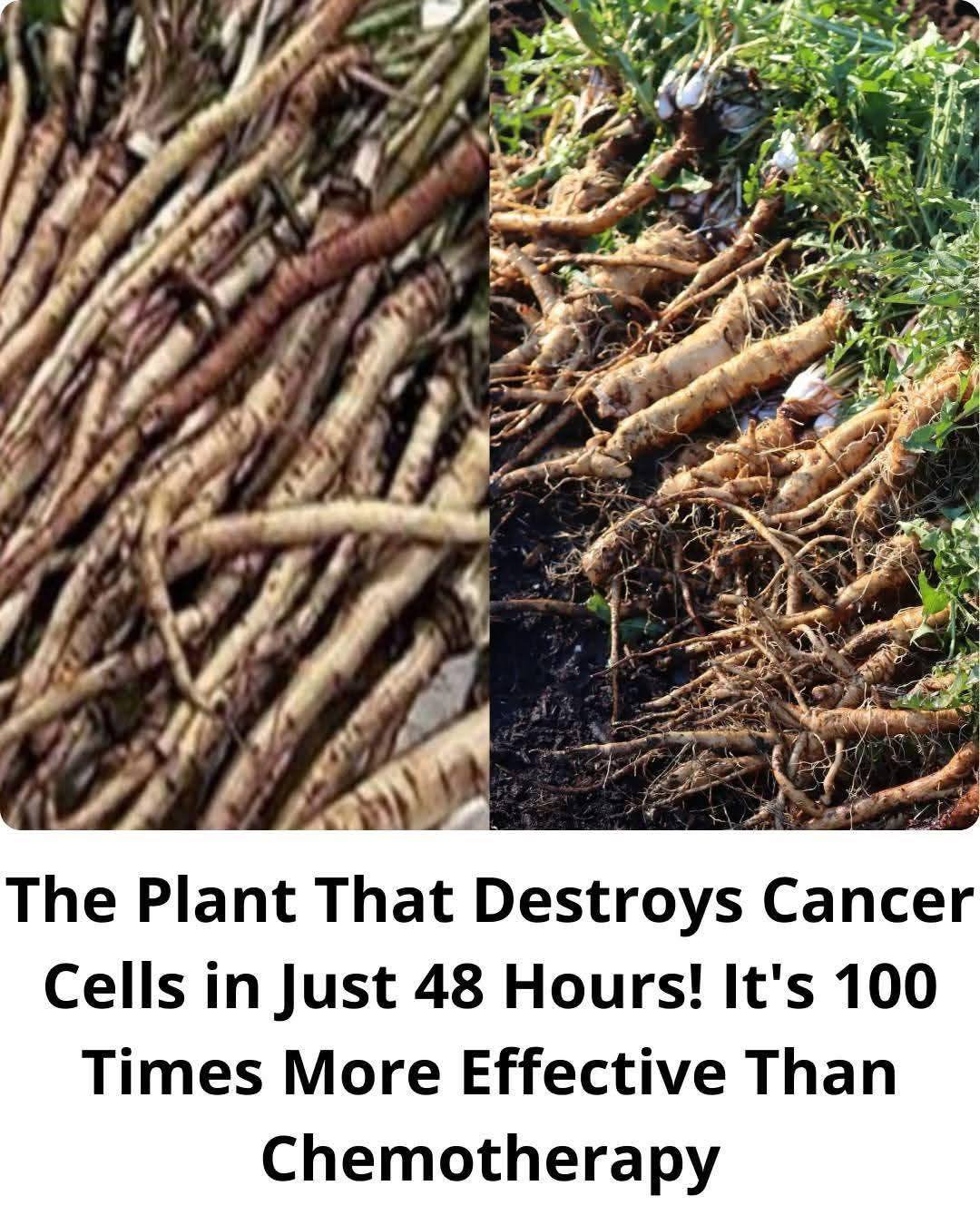
Greater burdock root, scientifically known as Arctium lappa, is a humble root vegetable with a long history in traditional medicine. Native to Europe and Asia and widely used in herbal remedies and cooking, burdock root has attracted modern scientific interest for its potential role in supporting health—including its possible relevance in cancer research. While it is not a cure, this plant contains powerful compounds that may help protect cells, reduce inflammation, and support the body during medical treatments. Understanding its benefits, limitations, and proper use can help individuals make informed decisions about incorporating it into a healthy lifestyle.
🚀 Make Money Online – Up to $50 Per Day!
What Is Greater Burdock Root?
Greater burdock root is part of the daisy family and has been used for centuries in herbal traditions across Asia and Europe. It is commonly consumed as food, brewed into tea, or taken as an herbal supplement. Nutritionally, burdock root contains fiber, antioxidants, vitamins, and plant compounds that contribute to its health-supporting effects. One of its key components is inulin, a prebiotic fiber that helps nourish beneficial gut bacteria and supports digestive health.
In addition to its nutritional value, burdock root has traditionally been valued as a detoxifying herb, helping to support the liver, blood circulation, and elimination of waste from the body. These traditional uses have encouraged researchers to explore its biological effects in modern laboratory studies.
Antioxidants and Their Role in Cellular Protection
One of the most important properties of burdock root is its high antioxidant content. Antioxidants help protect the body’s cells from damage caused by free radicals—unstable molecules that can contribute to aging, inflammation, and disease. Chronic oxidative stress has been linked to conditions such as heart disease, diabetes, and certain types of cancer.
By neutralizing free radicals, burdock root may help reduce cellular damage and support overall health. This protective effect is especially important for individuals undergoing cancer treatment, as oxidative stress can increase during chemotherapy and radiation therapy.
Anti-Inflammatory Benefits and Cancer Support
Inflammation plays a significant role in the development and progression of many chronic diseases, including cancer. Burdock root contains anti-inflammatory compounds such as flavonoids and phenolic acids that may help reduce inflammation throughout the body. These compounds support immune function and may create a less favorable environment for disease progression.
Reducing inflammation is important not only for cancer prevention but also for supporting recovery and improving overall well-being. Chronic inflammation can weaken the immune system and make the body more vulnerable to illness.
Potential Anti-Cancer Properties: What Research Suggests
One of the most exciting areas of burdock root research focuses on its potential anti-cancer effects. Laboratory studies have found that burdock root extracts may slow the growth of certain cancer cells. For example, research has shown inhibitory effects on pancreatic cancer cells and reduced tumor growth in animal models of melanoma.
Scientists believe these effects may be linked to natural compounds in burdock root, including arctigenin and arctiin. These plant chemicals have shown the ability to interfere with cancer cell growth and survival in laboratory settings. Some research suggests that arctigenin may have tumor-selective activity, meaning it may target cancer cells while leaving healthy cells less affected.
However, it is important to emphasize that most of these findings come from test-tube and animal studies. There is currently not enough human clinical evidence to confirm that burdock root can treat or prevent cancer. Researchers agree that more studies are needed before making medical recommendations.
Supporting the Immune System and Overall Health
Burdock root may also support immune function, which plays a critical role in fighting disease. Its antioxidants, fiber, and anti-inflammatory compounds contribute to a stronger immune system and better overall resilience.
Additionally, burdock root has antibacterial properties and may help protect against harmful microbes. Some research suggests it can inhibit certain bacteria associated with stomach infections and inflammation.
A healthy immune system is essential for people undergoing cancer treatment, as treatments like chemotherapy can weaken immune defenses.
Digestive and Detoxification Support
Burdock root has long been used as a digestive tonic. Its high fiber content promotes healthy digestion, supports beneficial gut bacteria, and helps regulate bowel function.
It also acts as a natural diuretic, helping the body eliminate excess fluids and toxins. This detoxification support may help improve overall metabolic health and reduce stress on organs like the liver and kidneys.
While the concept of “detoxification” is often misunderstood, supporting the body’s natural elimination systems can contribute to better overall health.
Safety, Limitations, and Medical Guidance
Although burdock root is generally considered safe as a food, there are important precautions to consider. Some individuals may experience allergic reactions, especially those sensitive to plants in the same family. Additionally, herbal supplements can interact with medications or medical treatments.
Most importantly, burdock root should never be used as a replacement for professional cancer treatment. It may serve as a complementary support, but it cannot replace chemotherapy, radiation, or other medically approved therapies.
Anyone considering burdock root as part of their wellness routine should consult a qualified healthcare professional, especially if they are undergoing cancer treatment or managing a serious medical condition.
Conclusion: A Promising but Complementary Plant
Greater burdock root is a remarkable plant with a rich history and growing scientific interest. Its antioxidant, anti-inflammatory, and immune-supporting properties make it a valuable addition to a healthy diet and lifestyle. Laboratory research suggests it may have anti-cancer potential, but human studies are still needed to confirm these effects.
Rather than viewing burdock root as a cure, it is best understood as a supportive plant that may help strengthen the body’s natural defenses. Combined with proper medical care, a balanced diet, and healthy lifestyle choices, burdock root may play a beneficial role in promoting overall wellness.
