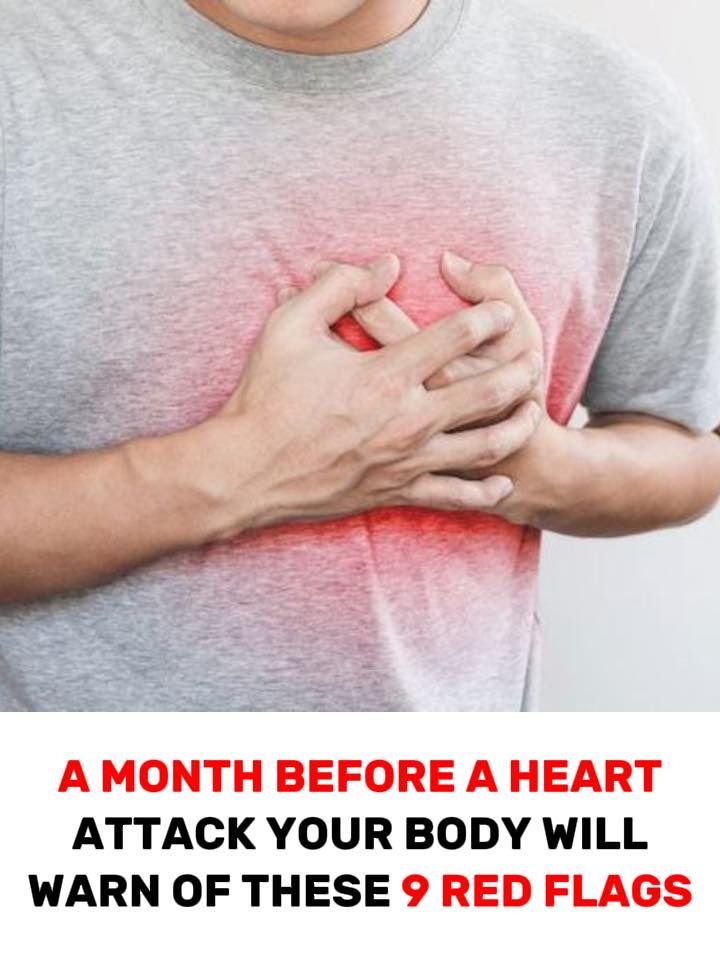
A heart attack rarely comes out of nowhere. In many cases, the body begins sending warning signals weeks—sometimes even a month—before the event occurs. Unfortunately, these early signs are often subtle, misunderstood, or brushed off as stress, aging, or everyday fatigue. Recognizing these symptoms early can be lifesaving. Understanding what your body is trying to tell you gives you a crucial opportunity to seek medical help before irreversible damage occurs.
🚀 Make Money Online – Up to $50 Per Day!
Below are six common warning signs that may appear up to a month before a heart attack, along with explanations of why they happen and when you should take them seriously.
1. Unusual and Persistent Fatigue
One of the earliest and most commonly ignored warning signs is unusual fatigue. This is not normal tiredness after a long day—it’s a deep, persistent exhaustion that doesn’t improve with rest. Everyday activities such as showering, walking short distances, or making the bed may suddenly feel overwhelming.
This happens because the heart is struggling to pump enough blood to meet the body’s oxygen demands. As blood flow to muscles and organs decreases, energy levels drop dramatically. Many people, especially women, report extreme fatigue weeks before a heart attack, yet dismiss it as stress or lack of sleep.
Red flag: Fatigue that is new, unexplained, and worsening over time.
2. Shortness of Breath
If you find yourself getting out of breath more easily than usual, even while resting or doing light activities, your heart may be signaling distress. Shortness of breath can occur weeks before a heart attack and often accompanies fatigue.
When the heart’s pumping ability weakens, oxygen-rich blood does not circulate efficiently. This causes fluid to back up in the lungs, making breathing more difficult. Some people notice they need extra pillows at night or wake up feeling breathless.
Red flag: Breathlessness without exertion or that appears suddenly and persists.
3. Chest Discomfort or Pressure
Chest pain isn’t always sudden or severe before a heart attack. Many people experience mild pressure, tightness, fullness, or discomfort that comes and goes. It may feel like indigestion, heartburn, or a squeezing sensation rather than sharp pain.
This discomfort occurs when the coronary arteries become narrowed, reducing blood flow to the heart muscle. Because the pain may be intermittent and tolerable, it is often ignored until it becomes severe.
Red flag: Recurrent chest discomfort, especially when combined with other symptoms.
4. Dizziness or Lightheadedness
Feeling dizzy, faint, or lightheaded can be another early warning sign. These sensations occur when the brain does not receive enough oxygenated blood due to reduced heart function.
Some people describe feeling unsteady, weak, or as if they might pass out. This symptom is especially concerning when paired with shortness of breath or chest discomfort.
Red flag: Frequent dizziness without an obvious cause such as dehydration or low blood sugar.
5. Digestive Issues and Nausea
Heart-related symptoms don’t always involve the chest. Nausea, indigestion, bloating, or stomach discomfort can appear weeks before a heart attack. Because these symptoms resemble gastrointestinal problems, many people assume they are food-related.
The vagus nerve connects the heart and digestive system, which explains why heart distress can cause stomach symptoms. Women are particularly likely to experience nausea or abdominal discomfort instead of classic chest pain.
Red flag: Persistent digestive symptoms that do not improve with dietary changes.
6. Pain in the Jaw, Neck, Back, or Arms
Pain associated with heart trouble doesn’t always stay in the chest. It may radiate to the jaw, neck, shoulders, upper back, or left arm. This pain is often dull, aching, or pressure-like rather than sharp.
Because it may come and go, people frequently attribute it to muscle strain or poor posture. However, this referred pain is a classic sign of reduced blood flow to the heart.
Red flag: Unexplained pain in these areas, especially if it appears alongside fatigue or breathlessness.
Why These Symptoms Are Often Ignored
The biggest danger is not the symptoms themselves—it’s how easily they can be dismissed. Busy lifestyles, stress, and lack of awareness cause many people to normalize these warning signs. Some wait until the heart attack happens, losing the opportunity for early intervention.
What You Should Do Immediately
If you notice two or more of these symptoms lasting several days or worsening, do not wait. Schedule a medical evaluation promptly. Early tests such as blood work, ECGs, and imaging can detect heart problems before a major event occurs.
If symptoms become sudden or severe—especially chest pain, shortness of breath, or fainting—seek emergency care immediately.
Final Thoughts
Your body is remarkably intelligent. Long before a heart attack strikes, it often whispers warnings instead of shouting alarms. Learning to listen, recognize, and act on these signals can truly save your life—or the life of someone you love.
Heart health is not just about reacting to emergencies; it’s about recognizing early signs and taking action before it’s too late.
