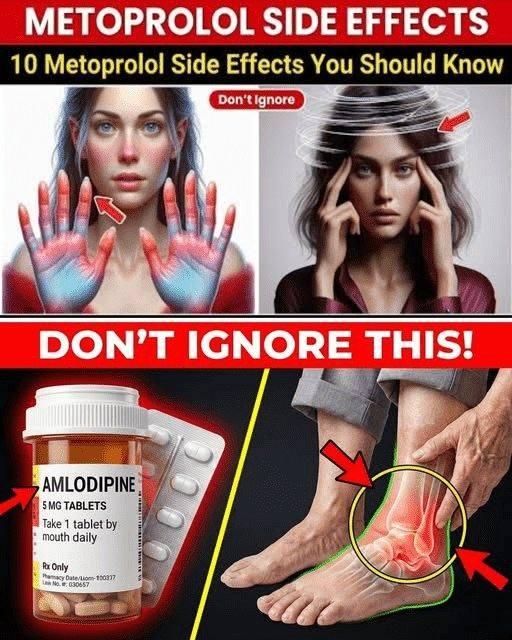
Metoprolol is one of the most commonly prescribed medications in the world. It belongs to a class of drugs called beta-blockers, and doctors rely on it to treat high blood pressure, heart rhythm disorders, chest pain (angina), heart failure, and even migraines. Because it’s so widely used, many people assume it’s completely harmless.
🚀 Make Money Online – Up to $50 Per Day!
But here’s the truth: while metoprolol can be lifesaving, it also comes with side effects that often don’t get much attention during a quick doctor’s visit. Some are mild, some are surprising, and a few can significantly affect your quality of life if you don’t recognize them early.
Let’s take a closer look at 10 metoprolol side effects your doctor may not emphasize—but you should know about.
1. Extreme Fatigue That Feels “Unnatural”
Feeling tired is one of the most common complaints with metoprolol, but many people describe it as different from normal tiredness. It can feel like your energy has been completely drained, even after a full night’s sleep. This happens because metoprolol slows your heart rate and reduces adrenaline’s effects, which can leave you feeling sluggish all day.
. Dizziness and Lightheadedness
Metoprolol lowers blood pressure, which is exactly what it’s supposed to do—but sometimes it lowers it too much. Standing up quickly can cause dizziness or a “head rush,” increasing the risk of falls, especially in older adults.
3. Cold Hands and Feet
Poor circulation in the extremities is a lesser-known effect. Because metoprolol reduces blood flow to peripheral areas, your fingers and toes may feel cold, numb, or tingly—even in warm weather.
4. Shortness of Breath
Although metoprolol is considered more “heart-selective” than older beta-blockers, it can still affect the lungs. Some people notice mild breathlessness, especially during exercise. This is particularly important for individuals with asthma or chronic lung conditions.
5. Weight Gain That Sneaks Up Slowly
Metoprolol can subtly slow your metabolism and reduce exercise tolerance, making weight gain more likely over time. It’s usually modest, but frustrating—especially if nothing else in your lifestyle has changed.
6. Depression and Mood Changes
This is one side effect that often surprises people. Some users report low mood, emotional flatness, or even depressive symptoms. Beta-blockers can affect neurotransmitters in the brain, which may explain these psychological changes.
. Sleep Disturbances and Vivid Dreams
Trouble falling asleep, frequent waking, or unusually vivid dreams are more common than many realize. Metoprolol can interfere with melatonin production, disrupting your natural sleep cycle.
8. Sexual Dysfunction
Reduced libido and erectile dysfunction are uncomfortable topics—but very real side effects. By lowering blood flow and dampening nervous system responses, metoprolol can affect sexual performance in both men and women.
9. Masking Low Blood Sugar Symptoms
This is especially important for people with diabetes. Metoprolol can hide classic signs of low blood sugar such as rapid heartbeat and tremors, making hypoglycemia harder to detect and potentially more dangerous.
10. Rebound Effects If You Stop Suddenly
One of the most serious risks isn’t a side effect while taking metoprolol—but what happens if you stop abruptly. Suddenly discontinuing it can cause rebound high blood pressure, chest pain, or even heart attack. This is why doctors strongly recommend tapering the dose gradually.
Why These Side Effects Matter
Doctors don’t hide these effects on purpose. Many of them are listed in the medication guide, but time constraints and the assumption that “most people tolerate it well” mean they’re not always discussed in depth. The problem is that patients often blame themselves—or aging—rather than the medication.
What You Should Do Instead
If you’re taking metoprolol and recognize several of these symptoms, don’t panic—and don’t stop the medication on your own. Instead:
-
Keep a symptom journal
-
Note when the symptoms started
-
Discuss dose adjustments or alternatives with your doctor
Sometimes a lower dose, a different beta-blocker, or another class of medication can make a big difference.
The Bottom Line
Metoprolol can be incredibly effective and even lifesaving—but it’s not a “set it and forget it” drug. Understanding its side effects empowers you to have better conversations with your doctor and make informed decisions about your health.
