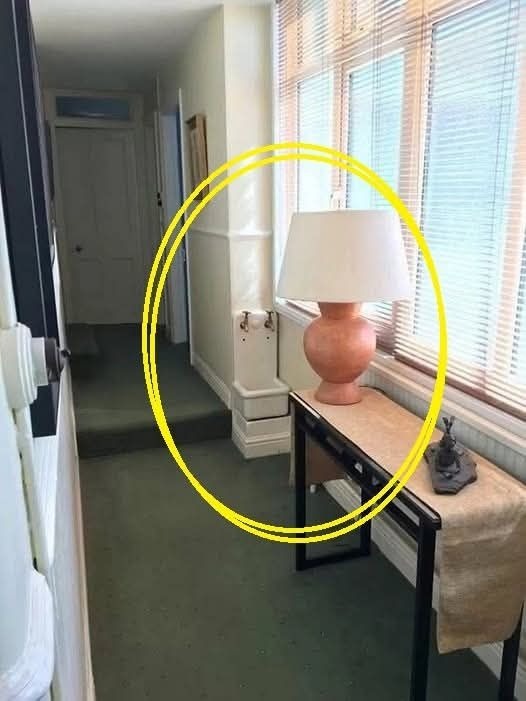
At first glance, a small sink tucked into a hallway can seem unusual. It’s not part of a full bathroom, it’s not in the kitchen, and it often appears too modest to serve a major role. Yet hallway sinks—sometimes called cloakroom sinks, powder sinks, or auxiliary washbasins—have a long history and a surprisingly practical purpose. Far from being a design afterthought, these compact fixtures combine hygiene, convenience, and style in a way that fits modern living perfectly.
🚀 Make Money Online – Up to $50 Per Day!
A Tradition Rooted in Practicality
The idea of a hallway sink isn’t new. In older European homes, especially in townhouses and apartments, a small washbasin near the entrance was common. Before central heating and indoor plumbing became widespread, people wanted a place to wash their hands quickly after coming in from outside—without walking through the entire home. Mud, dust, and street grime were part of daily life, and a hallway sink offered an immediate solution.
Today, while lifestyles have changed, the need for convenience remains. Shoes, bags, pets, groceries, and daily errands still bring dirt and germs indoors. A hallway sink quietly solves this problem before it spreads through the house.
Hygiene at the Front Line
One of the most important purposes of a small hallway sink is hygiene. It acts as a first line of defense against germs. When you come home, especially from work, school, or public transport, you can wash your hands instantly. There’s no need to touch door handles, furniture, or light switches before cleaning up.
This function became especially appreciated in recent years, as awareness of hand hygiene increased worldwide. A hallway sink encourages frequent handwashing, not just for residents but also for guests. It subtly communicates cleanliness without saying a word.
Perfect for Guests and Entertaining
When entertaining, a hallway sink is a quiet hero. Guests don’t need to wander through private areas of the home to freshen up. A small sink near the entrance or living area provides easy access and maintains privacy for bedrooms and main bathrooms.
This is especially useful in homes with a single full bathroom. Instead of constant traffic through personal spaces, guests can wash their hands comfortably and discreetly. It’s a small touch that significantly improves the hosting experience.
Space-Saving by Design
Modern homes often prioritize efficiency. Not every space can accommodate a full bathroom, but many hallways, stair landings, or entryways have just enough room for a compact sink. These sinks are specifically designed to fit tight spaces, with shallow basins, narrow widths, and wall-mounted or corner installations.
Because they don’t require a shower or toilet, hallway sinks use minimal plumbing and floor space. This makes them ideal for apartments, townhouses, and renovated older homes where expanding a bathroom isn’t practical.
A Boost to Daily Convenience
Beyond handwashing, hallway sinks serve many small but valuable daily functions. Parents can quickly wash a child’s hands after outdoor play. Pet owners can rinse muddy paws or clean a leash. Gardeners can wash up without tracking soil through the house. Even quick tasks like rinsing keys, wiping spills, or cleaning glasses become easier.
These moments may seem minor, but over time they add up to a smoother, more organized daily routine.
A Smart Design Statement
Small hallway sinks aren’t just practical—they can also be stylish. Because they’re compact, homeowners often choose bold or elegant designs: sculptural basins, brushed brass faucets, patterned tiles, or floating vanities. In a space that might otherwise feel plain, a sink becomes a focal point.
Designers frequently use hallway sinks to add personality to transitional spaces. A well-chosen mirror, lighting, and sink combination can transform a narrow hallway into something memorable and inviting.
Increasing Property Value
From a real estate perspective, hallway sinks can add appeal. Buyers often appreciate extra washbasins, especially in homes where bathroom access is limited. A sink without a toilet still counts as a functional upgrade, signaling thoughtful planning and convenience.
While it may not add as much value as a full bathroom, it can make a home feel more complete, practical, and well-designed—qualities that influence buying decisions.
Supporting Accessibility and Aging in Place
For households with elderly residents or individuals with mobility challenges, a hallway sink can be especially helpful. It reduces the distance needed to walk for basic hygiene and can be installed at an accessible height. Combined with lever-style faucets and clear floor space, it supports safer, more independent living.
This makes hallway sinks not just a design choice, but a forward-thinking solution for long-term comfort.
Small Sink, Big Purpose
In the end, the purpose of a small hallway sink goes far beyond its size. It represents thoughtful living—cleanliness without inconvenience, style without excess, and function without wasted space. It quietly improves hygiene, enhances guest comfort, supports daily routines, and adds character to the home.
